Just how do you actually feel when it comes to Plumbing Basics Every Homeowner Should Know?
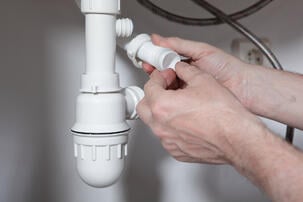
Plumbing is a necessary facet of any home, in charge of supplying tidy water for drinking, food preparation, and bathing, as well as eliminating wastewater safely. Comprehending the basics of home plumbing is vital for every house owner to make certain appropriate upkeep, troubleshooting, and, if necessary, repair services. In this beginner's overview, we'll cover the basic concepts of home plumbing to assist you come to be a lot more acquainted with how it works.
Water Heater
The water furnace is responsible for home heating water for residential usage, including bathing, cooking, and cleaning. Common types of hot water heater consist of tank-type hot water heater, tankless (on-demand) hot water heater, and heat pump hot water heater. The water heater is connected to the water system system and supplies warm water to plumbing fixtures as required.
Drainage System
The water drainage system gets rid of wastewater from your home and carries it away to a sewage therapy center or septic tank. It contains a network of pipelines, installations, and fixtures that transfer wastewater from plumbing components to the primary sewer line or septic system. Proper drainage is essential to protect against obstructions, back-ups, and sewage leaks.
Air flow System
The air flow system aids maintain proper atmospheric pressure and stop sewer gases from entering your home. Air vent pipes, additionally called air vent heaps, extend from plumbing components to the roof, permitting sewer gases to leave securely outdoors. Ventilation pipes likewise enable air to enter the water drainage system, assisting in smooth wastewater flow and preventing suction or vacuum cleaner effects.
Water Supply System
The water supply system brings tidy water into your home from a community water resource or a personal well. It includes a primary water line that links to your home's plumbing system, usually located underground. A water meter measures the amount of water eaten, while a shut-off valve permits you to manage the circulation of water right into your home.
Plumbing Fixtures
Plumbing components are gadgets that provide water to different parts of your home and include sinks, taps, commodes, showers, bathtubs, and appliances such as dishwashers and cleaning makers. Each component is connected to the water system by means of pipes and fittings and might have its shut-off valve for maintenance or emergencies.
Usual Plumbing Devices
Having the right devices accessible is vital for executing standard plumbing repairs and upkeep tasks. Usual plumbing tools include adjustable wrenches, pipe wrenches, pliers, pipeline cutters, hacksaws, bettors, augers (or drainpipe serpents), and Teflon tape. Having these devices conveniently offered can assist you deal with minor plumbing problems efficiently.
Basic Plumbing Fixings
While some plumbing fixings might call for professional help, many common concerns can be addressed with fundamental DIY strategies. Discovering how to repair a leaky faucet, unblock a drain, replace a commode flapper, or repair a dripping showerhead can save you time and money on plumbing fixings.
Verdict
Comprehending the fundamentals of home plumbing is necessary for every single home owner to preserve a safe, functional, and efficient plumbing system. By familiarizing on your own with the supply of water system, plumbing fixtures, drain system, air flow system, common plumbing tools, and standard repair work, you can with confidence address minor plumbing issues and guarantee your home's plumbing system runs efficiently.
Understanding Your Home’s Plumbing System – A Beginner’s Guide
Understanding your plumbing system is the key to saving money on repairs, keeping your house sanitary, and cutting utility costs. In this article, we’ll outline the basics of water supply, drainage and venting to demystify this critical aspect of home ownership.
Your home’s plumbing system consists of two distinct subsystems, including an intake system for freshwater supply and drainage system for wastewater disposal. Both of these subsystems feature various pipes, fittings and fixtures.
Water Supply
Home plumbing systems are integral parts of everyday life that serve two essential purposes – one brings fresh water in, while the other removes wastewater away. Understanding these systems’ functions will allow you to better appreciate their significance and support the professionals tasked with maintaining them.
The main water line from either your city or well is connected to your water heater, where it splits into cold and hot supply lines. After leaving the heater, this water moves under pressure through supply pipes to toilets, sinks, showers and tubs in your house – some through your water meter while some fixtures feature individual shut-off valves which can be turned off to isolate issues if any occur.
Plastic, cast iron and copper piping is typically used to transport water supplies around a house. These materials are highly durable and meet various safety and performance standards; there is also an assortment of fittings used to connect or divert pipes; it’s therefore crucial that homeowners understand all their options when planning remodeling projects or working with existing properties.
Drainage
As opposed to providing fresh water, the drainage system removes wastewater using downward-angled pipes powered solely by gravity without applying pressure. Similar to its counterpart, this system features a meter and main shut-off valve for controlling your home’s usage of water.
Understanding your drain system’s basic components can save time, effort, and money over time. For instance, most drains feature a trap (in the shape of either a P or U) to hold back standing water and prevent rising sewage gasses from rising up through them; house sewers also contain traps, as does toilet vent pipes.
As all drain lines connect to a house sewer line, which in turn connects to either municipal sewer lines or private septic tanks, being knowledgeable of these plumbing components can help identify and address issues until professional help arrives.
Common Plumbing Issues
As homeowners, we often face plumbing issues that need addressing. Some, like a dripping faucet, can be easily remedied; other issues, however, require more intensive attention and may prove more complicated than expected.
Leaky pipes can wreak havoc with any home. Water leaking from an improper pipe or valve could lead to wood and masonry rot, skyrocket water bills, and create breeding grounds for mildew and cockroaches – creating an unsafe home environment and raising your utility costs dramatically.
Other common plumbing issues include clogged drains, water discoloration and sediment buildup in your drinking water supply, slow drainage rates, outdated fixtures prone to rusting or corrosion and outdated fixtures that have seen better days. Because these problems tend to worsen over time, staying aware of subtle changes is key if you want to detect potential issues early. Being informed can allow you to take measures before they turn into major ones that require professional intervention – the key being combining DIY efforts with those from professional plumbers to ensure your plumbing system always operates at its optimal performance – home warranty companies also offer valuable protections against unexpected repairs and replacement costs should the inevitable arises!
Preventive Maintenance
Plumbing systems are complex networks designed to bring fresh water into the home while transporting wastewater away. This system includes supply lines, drainage pipes and vents which work together to bring freshwater for drinking, cooking, cleaning and bathing needs as well as remove waste products. Plumbing fixtures like faucets and toilets also make up this plumbing network and play an essential part in both processes.
Plumbing works by employing natural properties of gravity and pressure to transport water throughout your home. Water enters through your main line or water meter and flows along plastic, iron, or copper supply pipes under pressure directly into toilets, showers, and other fixtures before being carried off to drain-waste-vent (DWV) sewer systems which eventually discharge it into municipal sewers or septic tanks – understanding how this works can help avoid common plumbing problems.
https://www.plumbingchelsea.com/understanding-your-homes-plumbing-system-a-beginners-guide/
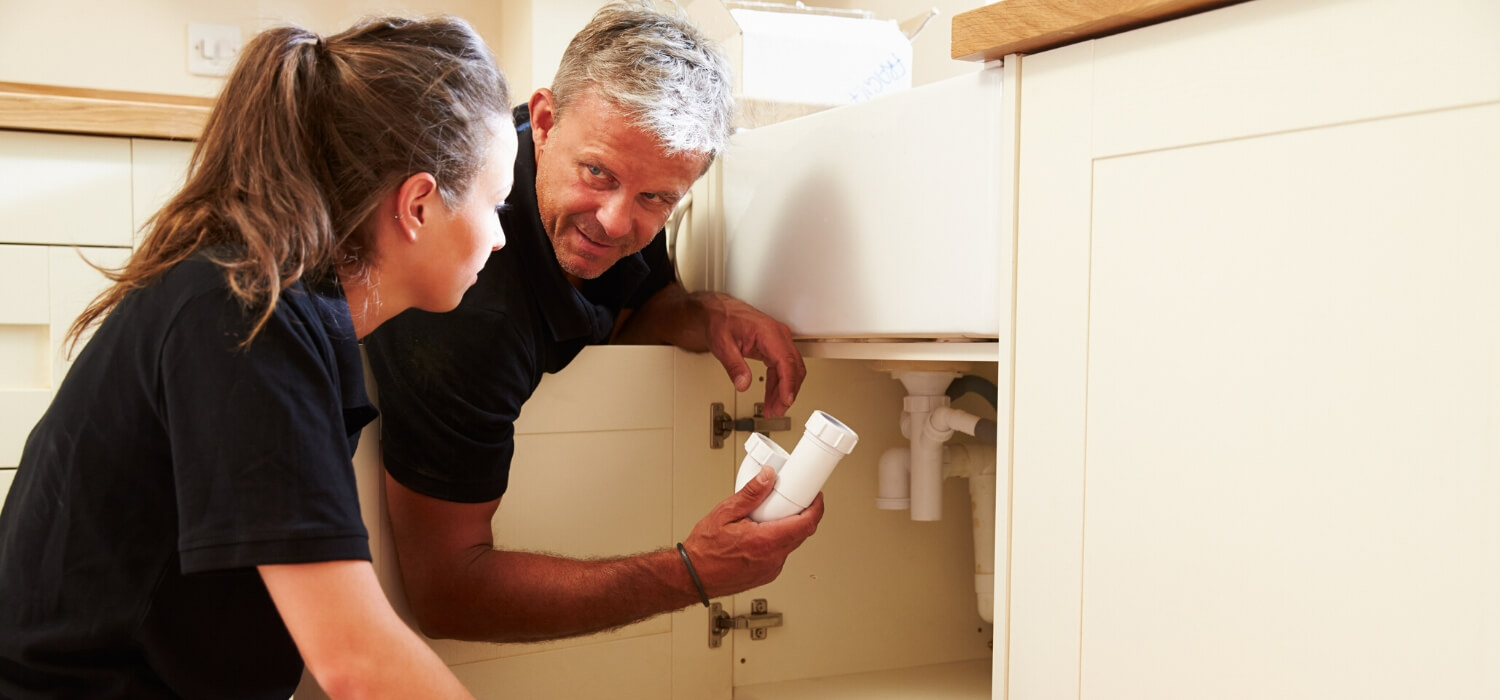
We are very enthusiastic about How Does the Plumbing Work in Your Home? and I am praying you liked our page. Enjoyed reading our blog posting? Please share it. Let someone else locate it. I am grateful for your time. Kindly stop by our site back soon.
Set An Appointment